22 October 2026 · Tent Ideas · WT tent
Many factories face a common dilemma: they have idle land on-site, yet their inventories of raw materials, semi-finished goods, and finished products continue to grow—leaving existing warehouses overflowing with nowhere left to store stock. Constructing a new steel-structure facility is often impractical: it entails high costs, lengthy civil engineering timelines, complex permitting processes, and significant capital expenditure. Alternatively, renting off-site warehouse space increases logistics costs due to the need for transport, complicates inventory management, and often leads to wasted capital when the space sits empty after the peak season. This underutilization of land has become a persistent headache for many factory managers and warehouse supervisors.
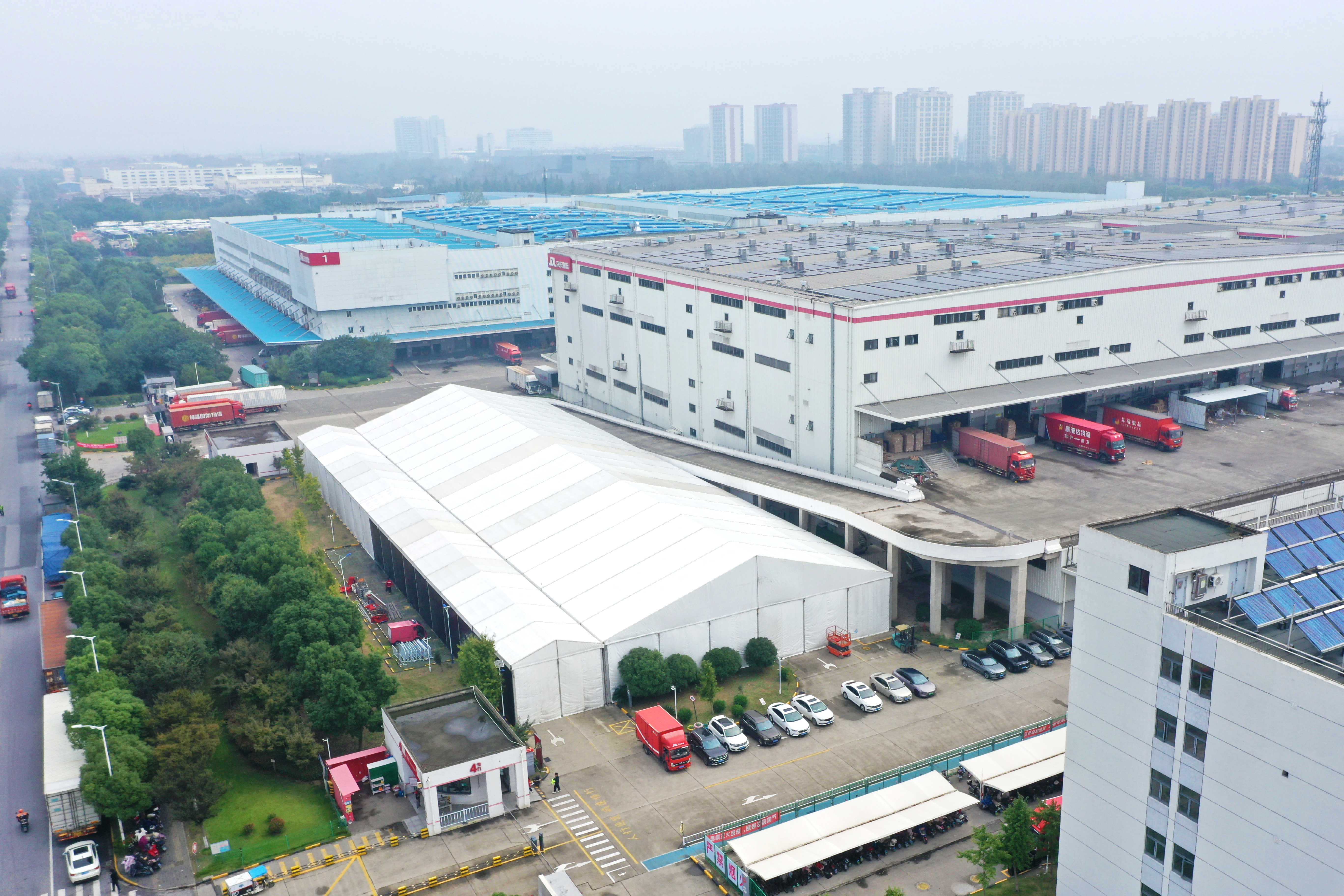
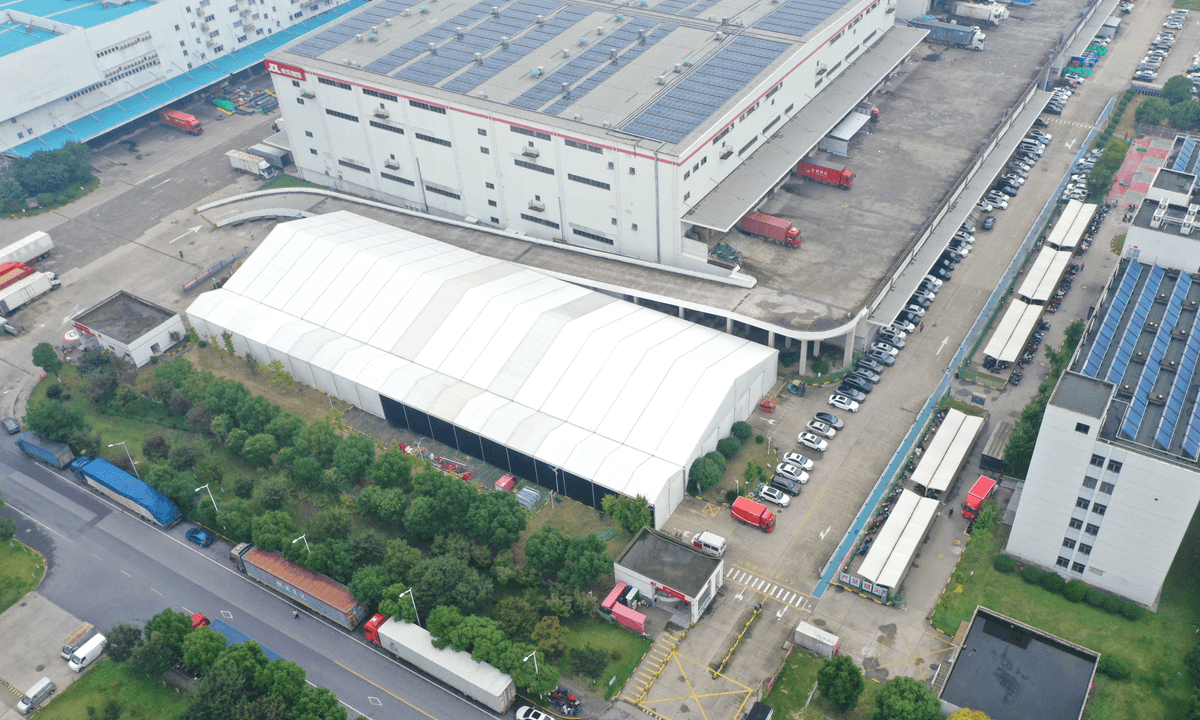
Revitalizing idle land to create additional storage space does not necessarily require the construction of a permanent building. For manufacturing enterprises and processing plants with short-term expansion needs or requirements for flexible storage, prefabricated aluminum-alloy storage tents offer a highly cost-effective solution.
These storage tents are modular, prefabricated structures. They feature a high-strength aluminum-alloy frame combined with industrial-grade PVC fabric or insulated sandwich panels. All components are prefabricated in a factory and then assembled on-site, eliminating the need for cumbersome civil construction. They are highly adaptable to various ground conditions: they can be anchored directly onto existing, intact concrete flooring, or—on soil or gravel surfaces—secured using counterweights or ground anchors. This avoids the need for extensive concrete foundation pouring, significantly reducing construction costs and minimizing impact on the existing site. Once the tent is no longer needed, it can be dismantled, allowing the site to be quickly restored to its original state without hindering future facility planning or redevelopment.
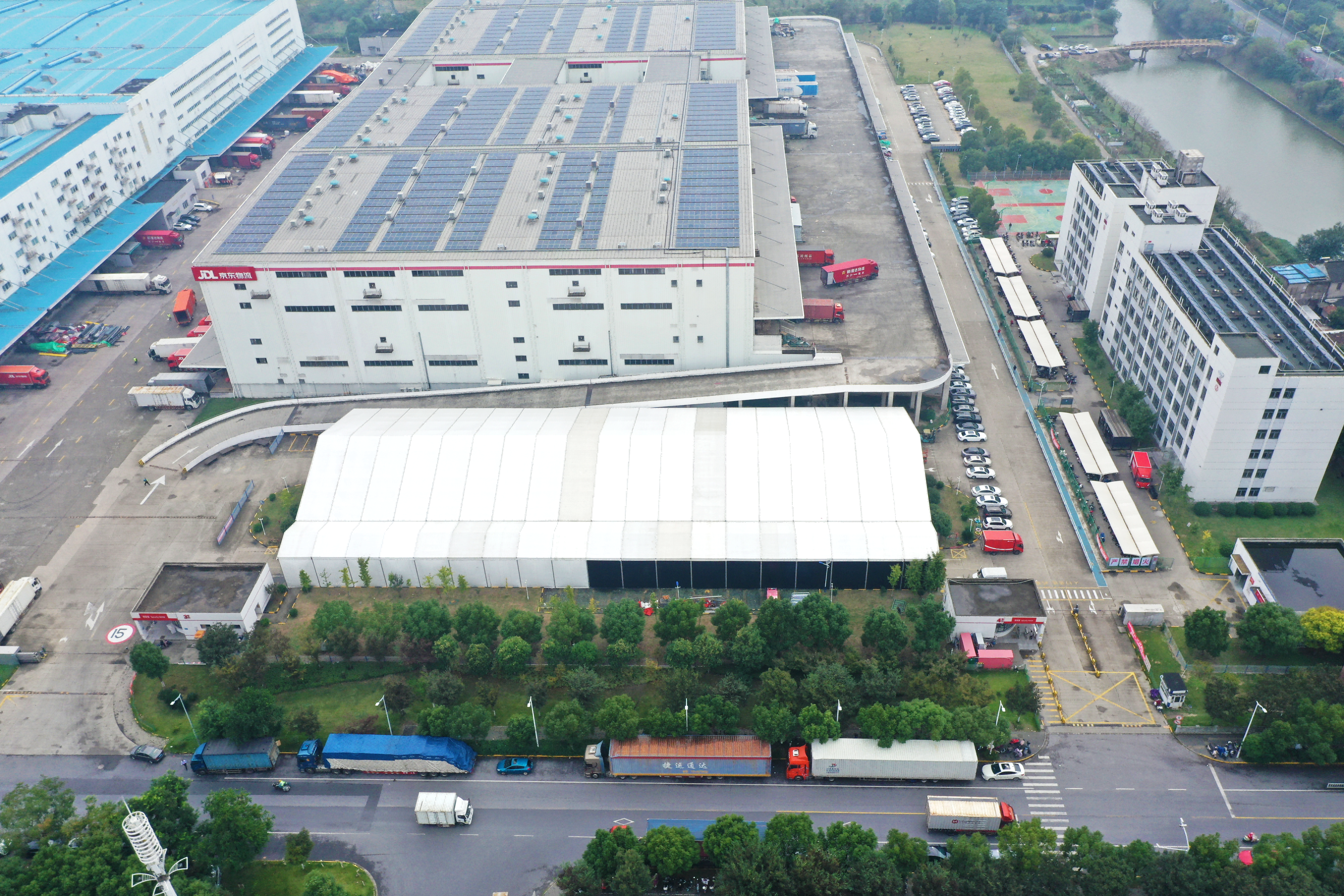
Compared to traditional warehousing, these structures offer distinct advantages that align perfectly with the expansion needs of factories:
They allow for rapid assembly, providing an immediate solution when warehouses reach capacity. A storage tent covering thousands of square meters can be completed and handed over in just over a week or two. This makes them ideal for scenarios requiring urgent additional space—such as stocking up for peak seasons, launching new production lines, or managing transitions during factory relocations—without the months-long wait associated with conventional construction.
They also require lower capital investment, easing the financial burden on the enterprise. Compared to steel-structure buildings, the upfront investment is significantly lower, representing a classic "light-asset" approach to expansion. The footprint can be customized to your specific needs—build exactly as much space as required. This avoids the waste of resources caused by overbuilding and prevents the need to tie up large amounts of capital in permanent infrastructure.
The space is flexible and reusable, adapting easily to fluctuations in production capacity. As order volumes shift or factory layouts are adjusted, these tent structures can be fully dismantled and relocated to other areas on-site, or even moved to entirely different project locations, retaining their residual value. For businesses with significant seasonal inventory swings, a rental model offers a cost-effective alternative—allowing for extra space only during peak periods.
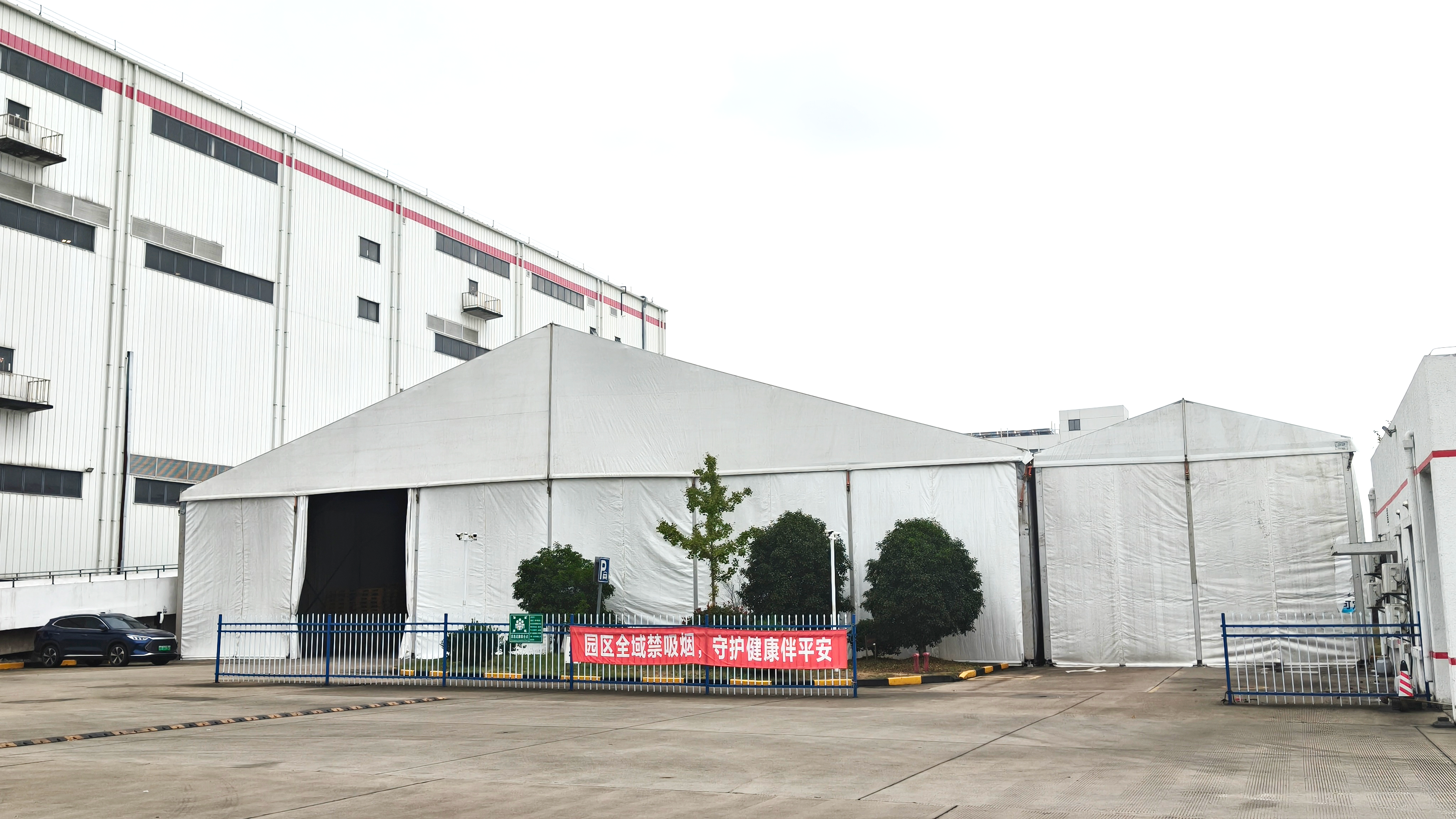
These storage tents feature a wide-span, column-free design, providing an open and organized interior. This ensures smooth operation for forklifts, pallets, and heavy-duty racking systems, making them ideal for raw material storage, work-in-progress staging, or finished goods warehousing. Optional features—such as translucent roof panels, insulation layers, electric roll-up doors, ventilation and drainage systems, and fire safety equipment—can be integrated to meet specific requirements for protection against rain, dust, or temperature fluctuations.
While not a universal solution for every storage need, it is helpful to compare the options: simple corrugated steel sheds are inexpensive but offer poor resistance to wind and snow, have a short lifespan, and may face regulatory compliance issues in some regions. Permanent steel-structure warehouses are suitable for long-term use (ten years or more) but require high capital investment and long construction timelines. Prefabricated storage tents strike an optimal balance between cost, construction speed, and safety, making them the preferred choice for medium-to-long-term temporary storage and flexible capacity expansion.
Two important points to keep in mind: First, ensure full regulatory compliance by researching local land-use policies and requirements for temporary structures before installation. Second, do not base your decision solely on price; select a manufacturer with a proven track record for structural reliability, ensuring the tent can withstand local wind and snow loads for safe, long-term use.
Unused space on factory grounds holds the potential for low-cost expansion. Prefabricated storage tents allow for the rapid creation of flexible storage space with minimal investment. By maximizing the utility of existing land, they offer an efficient solution for factories facing overflow issues—a strategy that has become the preferred storage option for many companies in the manufacturing and logistics sectors.