20 October 2026 · Tent Ideas · WT tent
What is a miners' camp?
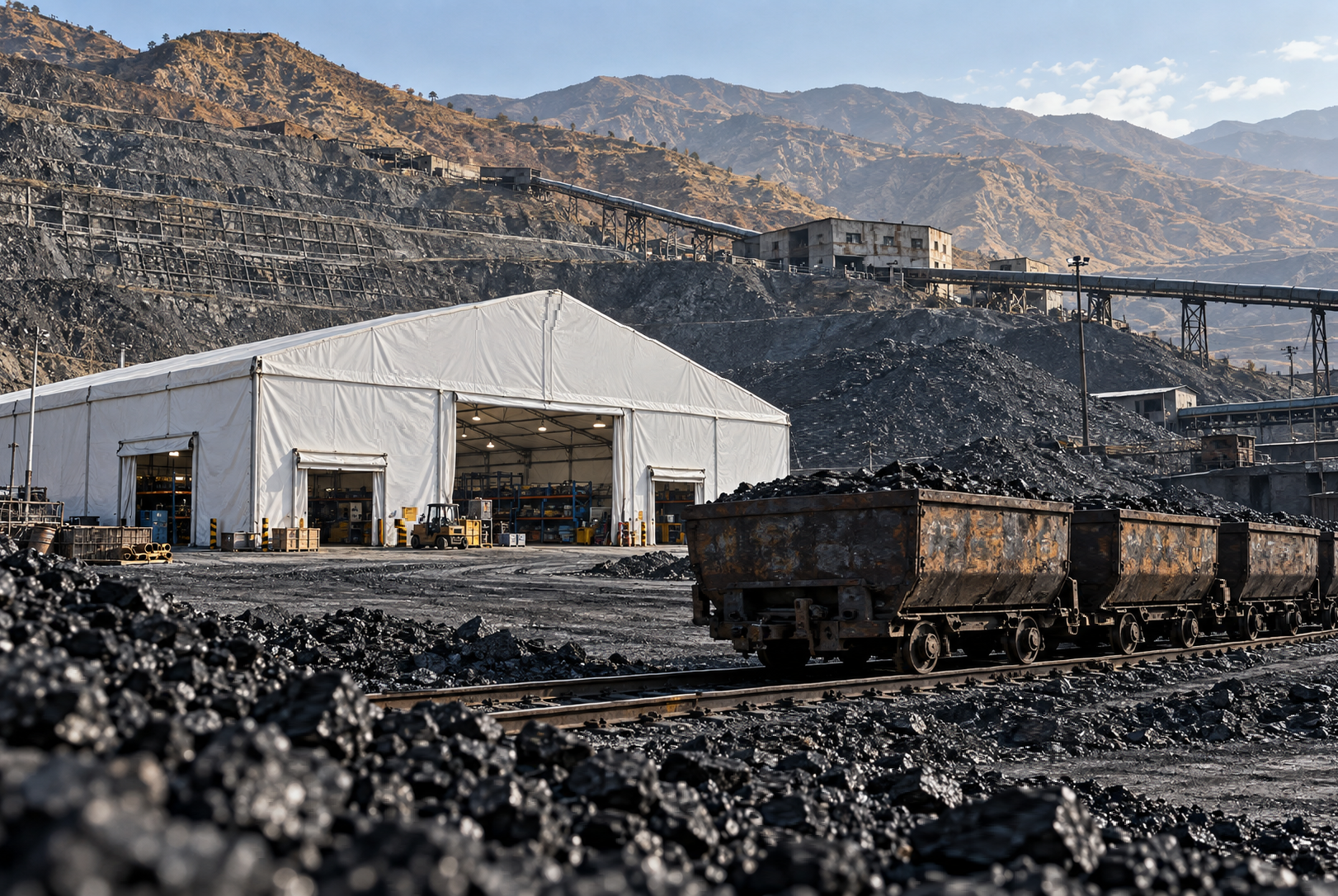
A mining camp is a comprehensive facility developed to support a mining project. Functioning as a temporary or semi-permanent community, it serves the personnel working at the mine site. These camps integrate various functions—such as accommodation, dining, office space, and warehousing—serving simultaneously as a place of residence for the workforce and a logistics hub for the mining operation.
Current Pressures Facing the Mining Camp
Mining sites are often located in remote areas, presenting multiple challenges for camp operation and management:
Harsh Geographical Conditions
Due to their distance from urban centers, these sites face high costs and significant logistical difficulties in transporting supplies. Furthermore, the extreme climate—characterized by intense sun in the summer, bitter cold in the winter, and frequent high winds or sandstorms—can erode structures and negatively impact the living and working conditions of the workforce.
Difficulty in Retaining Personnel
Mining work is physically demanding and involves long hours, leading to rising expectations among workers for comfortable living conditions. Older, poorly equipped camps that lack recreational amenities often suffer from high staff turnover. This forces projects into a cycle of continuous recruitment and training, keeping labor costs persistently high.
Safety and Operational Risks
Safety is the top priority at any mining site. Makeshift, temporary structures often lack sufficient resistance to wind and snow, creating structural vulnerabilities during extreme weather. Other hazards include haphazard electrical wiring and obstructed fire escape routes, which increase the risk of fire. Additionally, utility supplies in remote areas can be unstable; without reliable backup systems, a loss of water or power can cause the entire camp to become non-functional.
How to Design Comfortable, Safe, and Efficient Mining Camps
Determining Camp Requirements and Scale
Estimate the required capacity and project duration to select appropriate temporary or semi-permanent structures. For long-term projects with a stable workforce, prioritize fixed-style accommodations that offer greater comfort; for projects requiring frequent relocation, opt for modular, portable camp units. During the planning phase, allocate space for future expansion to avoid the need for site relocation should the project scale increase.
Site Selection and Surveying
Avoid areas prone to geological hazards such as floods or landslides; prioritize flat, geologically stable terrain. Balance the camp’s proximity to mining operations and transport routes to ensure convenient commuting while minimizing the impact of mining activities on living quarters.
Layout and Functional Zoning
Designate quiet zones for accommodation, ideally located near the canteen. Position office and storage areas close to entry/exit points to facilitate the loading and unloading of supplies. Isolate equipment areas. Where feasible, incorporate recreational or basic fitness spaces. Ensure the separation of pedestrian and vehicular traffic, and reserve space along the camp perimeter for emergency access and future expansion.
Structural Solutions
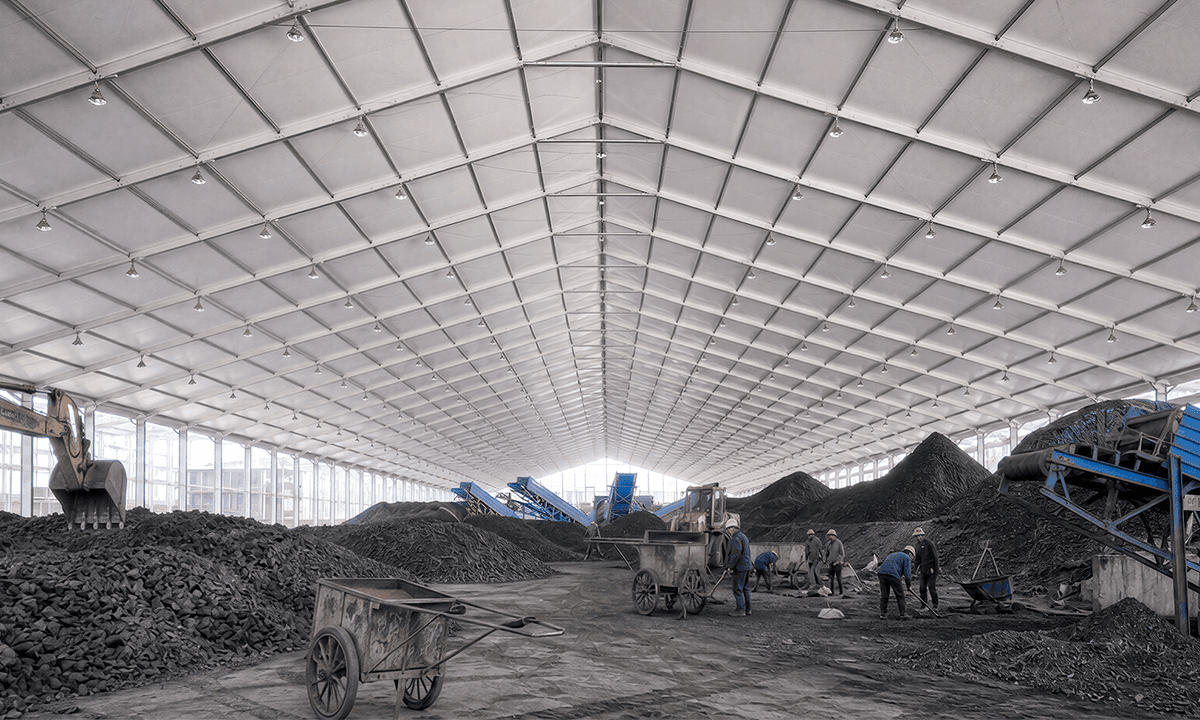
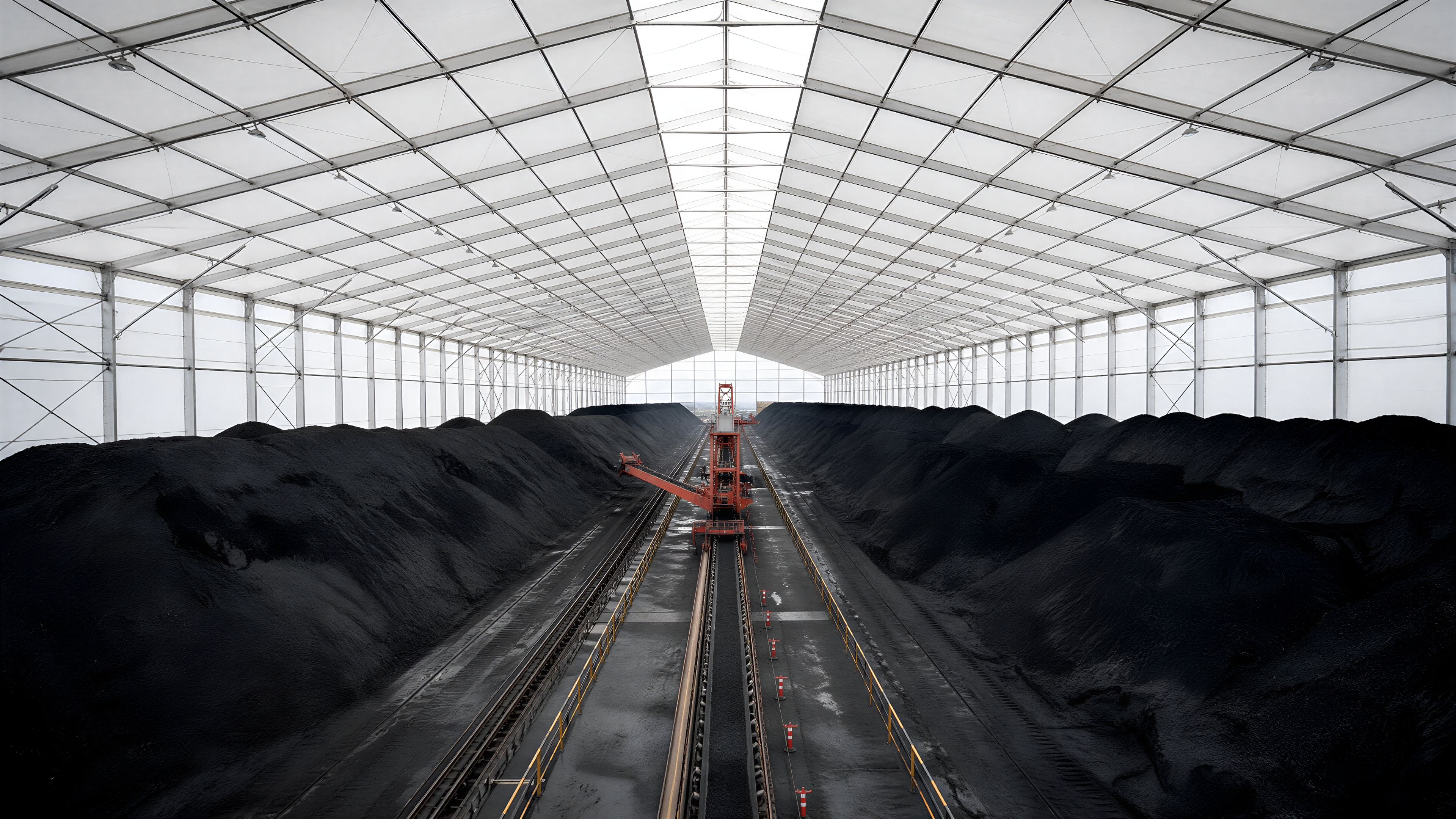
Utilize modular aluminum-alloy tent structures (such as A-frame or TFS tents). These prefabricated, modular units are easy to transport and install, making them well-suited for remote mining sites. Frames should be constructed from high-strength aluminum alloy or hot-dip galvanized steel. The tent fabric must be waterproof, flame-retardant, UV-resistant, and capable of withstanding extreme weather conditions. The design should minimize internal support columns to provide flexible, large-span interior spaces. Recommended space allocations: 15–25 m² for dormitory units and 8–10 m² per person for office space; warehouse structures can reach heights of 6 meters or more. Prioritize materials that offer excellent weather resistance, thermal insulation, and soundproofing. Emphasize the use of prefabricated components to reduce the complexity of on-site construction.